
What MCTs are, and what the research is looking at
Adrian P. Balahadia, Founder & CEO · 13 November 2026 · 3 min read
Medium-chain triglycerides, or MCTs, are digested and used more quickly than most of the fats we eat. That is why they have become so popular in nutrition, and why researchers keep studying them.
Here is a closer look at what MCTs are, how MCT oil is made, and the main areas of research around it. For formulators and buyers: a summary, not medical advice.
What are MCTs?
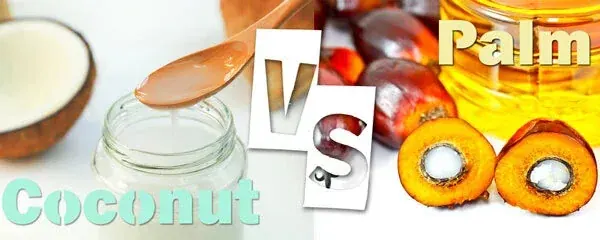
MCT oil is a saturated fat made mainly from coconut oil, the most common source, or from palm kernel oil.
Most cooking oils are made of long-chain triglycerides, whose fatty acids carry long chains of carbon atoms. Medium-chain triglycerides carry shorter chains, of about six to twelve carbon atoms, and that difference changes how the body digests them.
The four medium-chain fatty acids
Medium-chain fatty acids are named by the number of carbon atoms in their chain. Coconut oil contains four:
- Caproic acid, C6
- Caprylic acid, C8
- Capric acid, C10
- Lauric acid, C12
Generally, the shorter the chain, the faster the body turns the fatty acid into usable energy. Lauric acid is often treated separately, because it is digested and absorbed more slowly than C6, C8 and C10. That is why MCT oil is made mainly of C8 and C10.
How MCT oil is made
We make our MCT oil from refined coconut oil: we separate the medium-chain fraction, recombine C8 and C10 to the grade and filter the oil. Our MCT oil page shows the process step by step.
What the research is looking at
Because MCTs behave differently from other fats, they have been studied in many areas. These are the main ones. In each, the research is still developing, and none of it makes MCT a treatment for anything.
Fullness and body weight
Some studies have found that MCTs influence hormones associated with feeling full, such as peptide YY and leptin, and that people who had MCT oil with breakfast ate less at later meals than people who had other fats. MCT also provides slightly fewer calories per gram than long-chain fats. A 28-day trial in overweight men measured more upper-body fat loss on an MCT-rich diet than on olive oil.
Energy, ketones and the brain
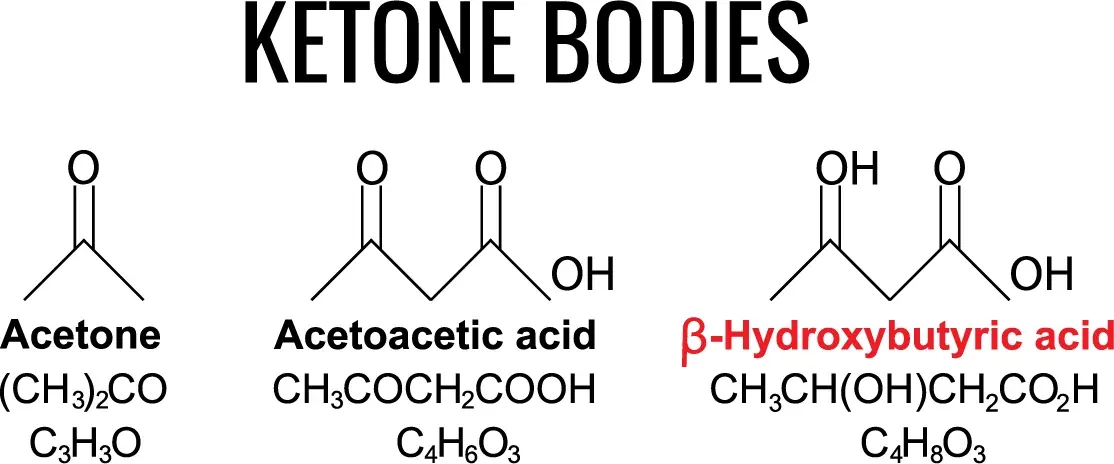
MCTs travel quickly from the gut to the liver, where they are used for energy or converted into ketones. Ketones can cross the blood-brain barrier and give brain cells an alternative source of energy when glucose is scarce. That is the basis of the ketogenic uses of MCT, and of research into the ageing brain.
Exercise
In one study, recreational athletes who took about 6 g of MCT a day with food for two weeks had lower blood lactate, found the exercise easier and lasted longer at high intensity than with long-chain fats. Results across studies have not always been consistent, and some found little or no change in endurance.
Epilepsy
Ketogenic diets have a long history of clinical use in certain forms of epilepsy, and MCT has been part of them since the 1970s because it raises ketone levels more readily than other fats. Veterinary trials have also studied MCT in dogs with epilepsy.
Heart health markers and blood sugar
MCT oil has also been studied in relation to cholesterol, markers of inflammation, and insulin resistance in people with type 2 diabetes. Some small studies have reported favourable changes; larger and longer studies are needed before any conclusion can be drawn.
The bigger picture
MCT oil has attracted attention because medium-chain triglycerides behave differently from most of the fats in our diet. But MCT oil is not one ingredient with one effect. C6, C8, C10 and C12 behave differently, the raw material matters, the production method matters, and so does the way MCT is used in the diet as a whole.
Understanding those differences is more useful than treating MCT oil as another health trend.

Talk to a person.
Tell us the product, the quantity and where it's going. Someone on our team replies, not a ticket system.