
MCT and the ageing brain: what the research says
Adrian P. Balahadia, Founder & CEO · 13 November 2026 · 2 min read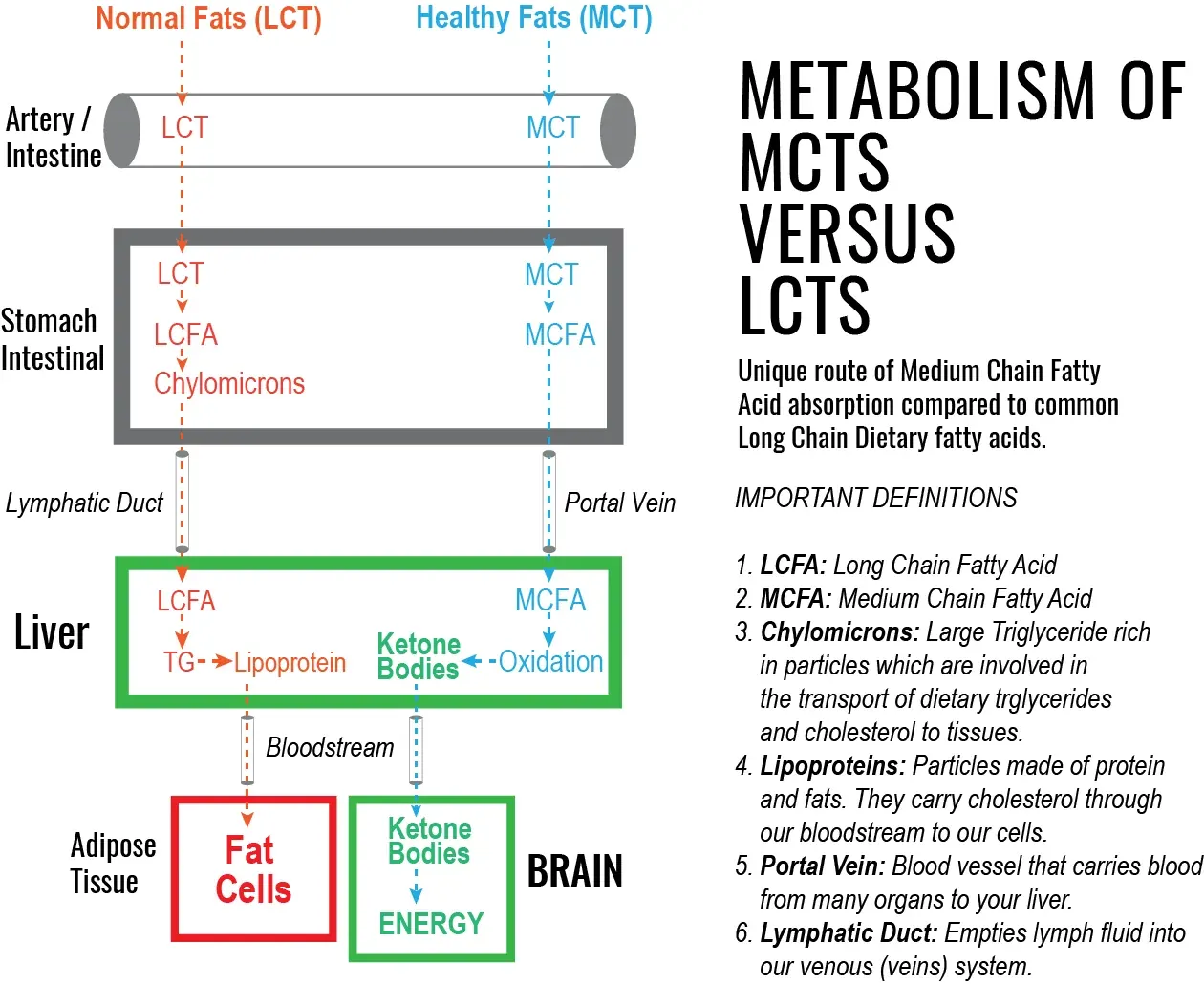
Written for formulators and buyers in nutrition, supplements and pet food. A summary of published research, not medical advice.
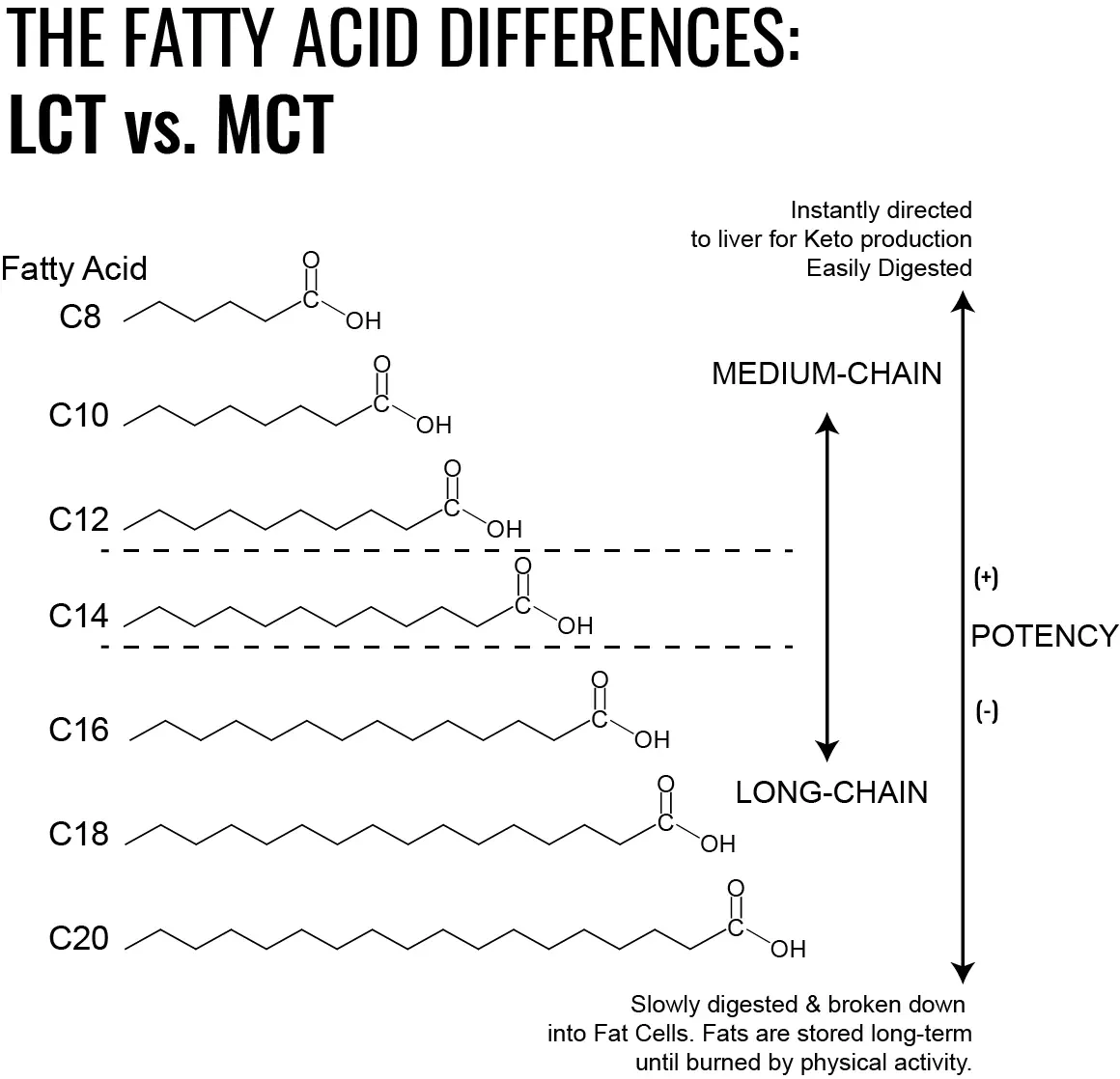
The brain runs mainly on glucose. In Alzheimer's disease, parts of the brain lose some of their ability to use it, while their ability to use ketones appears to hold up better. That observation is why researchers have spent two decades testing whether MCT, which the liver turns into ketones faster than ordinary dietary fats, makes a difference to people with memory problems.
This article sets out what two of those studies found, and where the evidence stops.
One drink, twenty people (2004)
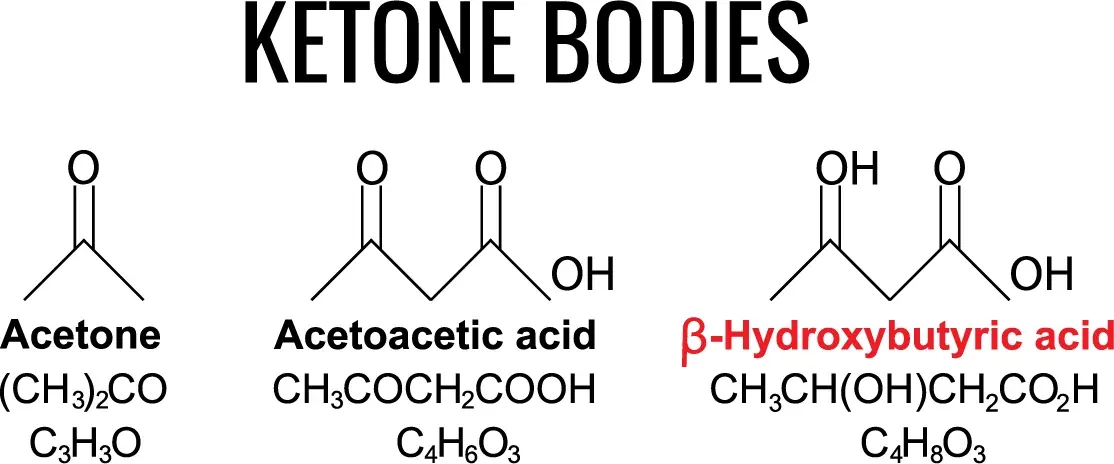
Reger and colleagues gave 20 older adults with Alzheimer's disease or mild cognitive impairment a drink of emulsified MCT on one day and a placebo drink on another. Ninety minutes after the MCT drink, the level of the ketone beta-hydroxybutyrate in their blood had risen significantly.
On cognitive testing, participants who do not carry the APOE ε4 gene variant scored better on the Alzheimer's Disease Assessment Scale after MCT than after placebo; carriers of the variant did not. Across all participants, higher ketone levels went with better recall of a short paragraph. The authors concluded that further research was needed.
Ten studies, pooled (2023)
Nineteen years later, a team led from the National University of Singapore pooled the human trials published up to December 2022. Of 995 publications, ten studies met their criteria.
Taken together, people with mild cognitive impairment or Alzheimer's disease who took MCT by mouth showed an improvement in general cognitive function compared with placebo, but not in the separate measures of memory, language or attention. The effect was larger in people without the APOE ε4 variant.
The authors' own conclusion is careful: the review provides some evidence, and better-designed studies are needed before a definitive conclusion can be drawn.
What this does and doesn't say
Both studies tested people who already had memory impairment. Neither tested whether MCT prevents dementia, and MCT is not proven to prevent, treat or cure Alzheimer's disease or dementia. What the research does show is a consistent mechanism, MCT raising blood ketones, and a signal that justifies the further trials the authors call for.
For a formulator, that defines the space: clinical and medical nutrition products, developed with medical advisers and under each market's rules, where a consistent grade and full batch documentation matter. Our C899 and 6040 grades both come with a technical data sheet, and every batch with its certificate of analysis.
Sources (2)
- Reger MA, Henderson ST, Hale C, et al. Effects of β-hydroxybutyrate on cognition in memory-impaired adults. Neurobiology of Aging 25 (2004) 311–314.
- Sun L, Ye KX, Wong HLK, et al. The effects of medium chain triglyceride for Alzheimer's disease related cognitive impairment: a systematic review and meta-analysis. Journal of Alzheimer's Disease 94 (2023) 441–456. doi:10.3233/JAD-230406

More from Insights


Talk to a person.
Tell us the product, the quantity and where it's going. Someone on our team replies, not a ticket system.