

Clean source. Clear mind.
Why we make MCT from coconut, how we work with the people who grow it, and how we trace what we make.
Responsibility belongs in the supply chain, not the brochure.
We want sustainability to be part of how we buy, make and document our products, not a page of promises. This page says what we do today, what we're building, and what we ask of our suppliers.
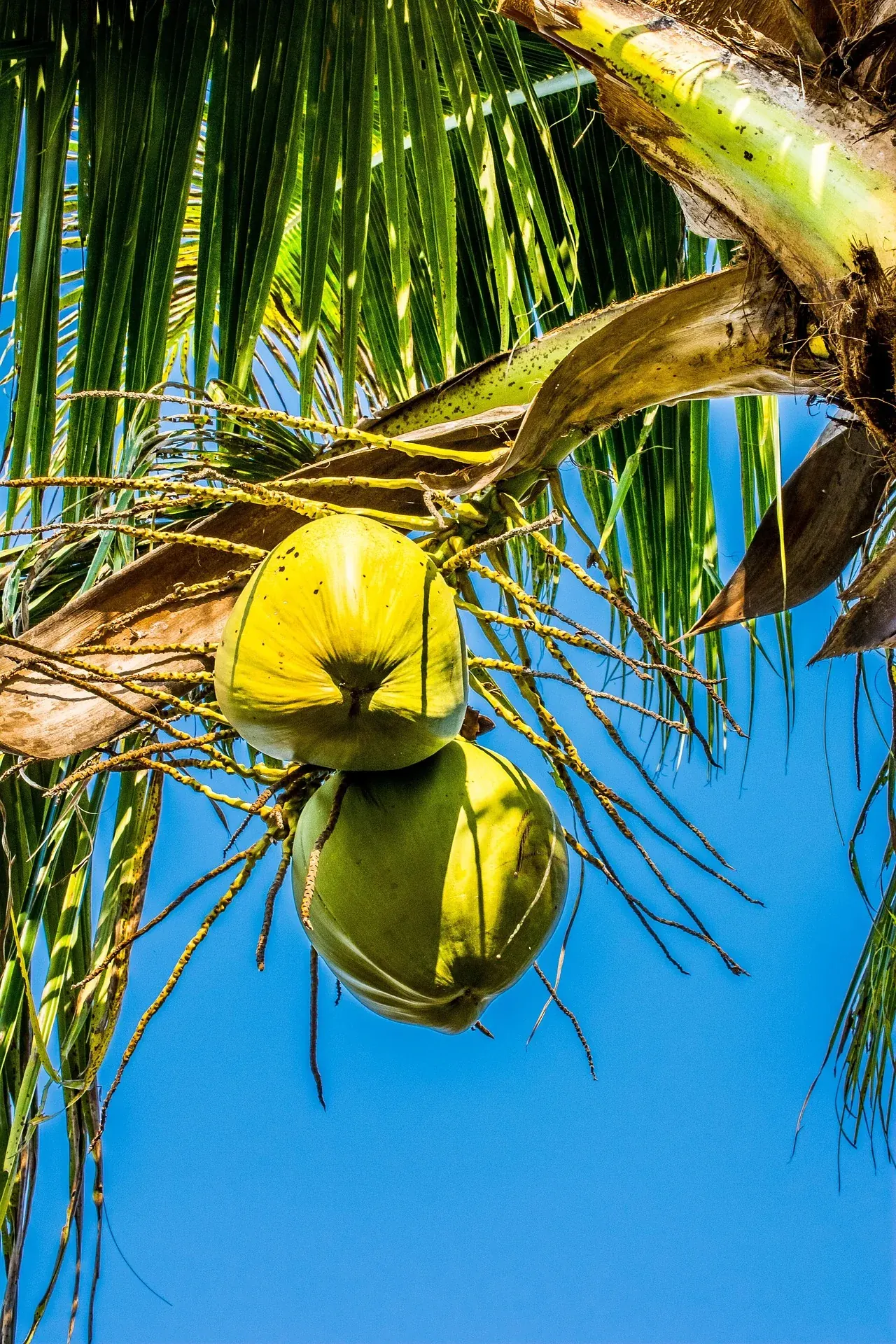
A tree that keeps giving
Coconut palms are plants of the humid tropics. They live for decades, need few inputs, and bear fruit year after year without being cut down. Most of the world's coconuts come from smallholders, family farms of half a hectare to four hectares.
MCT can also be made from palm kernel oil, and much of the market's MCT is. Palm expansion is tied to deforestation, which is why the EU's deforestation rules cover palm oil. We only use coconut.
Good coconut starts on the farm.
We work with coconut farmers in Thailand and the Philippines, and through our suppliers across Southeast Asia. Coconut farming communities face real problems: low farm-gate prices, ageing trees and too little replanting, while demand for coconut products keeps growing.
We're building long-term relationships with farmers and their cooperatives, and expanding that work every year, because steady partners grow better coconut and a fair price keeps them farming.
From the batch, back towards the farm
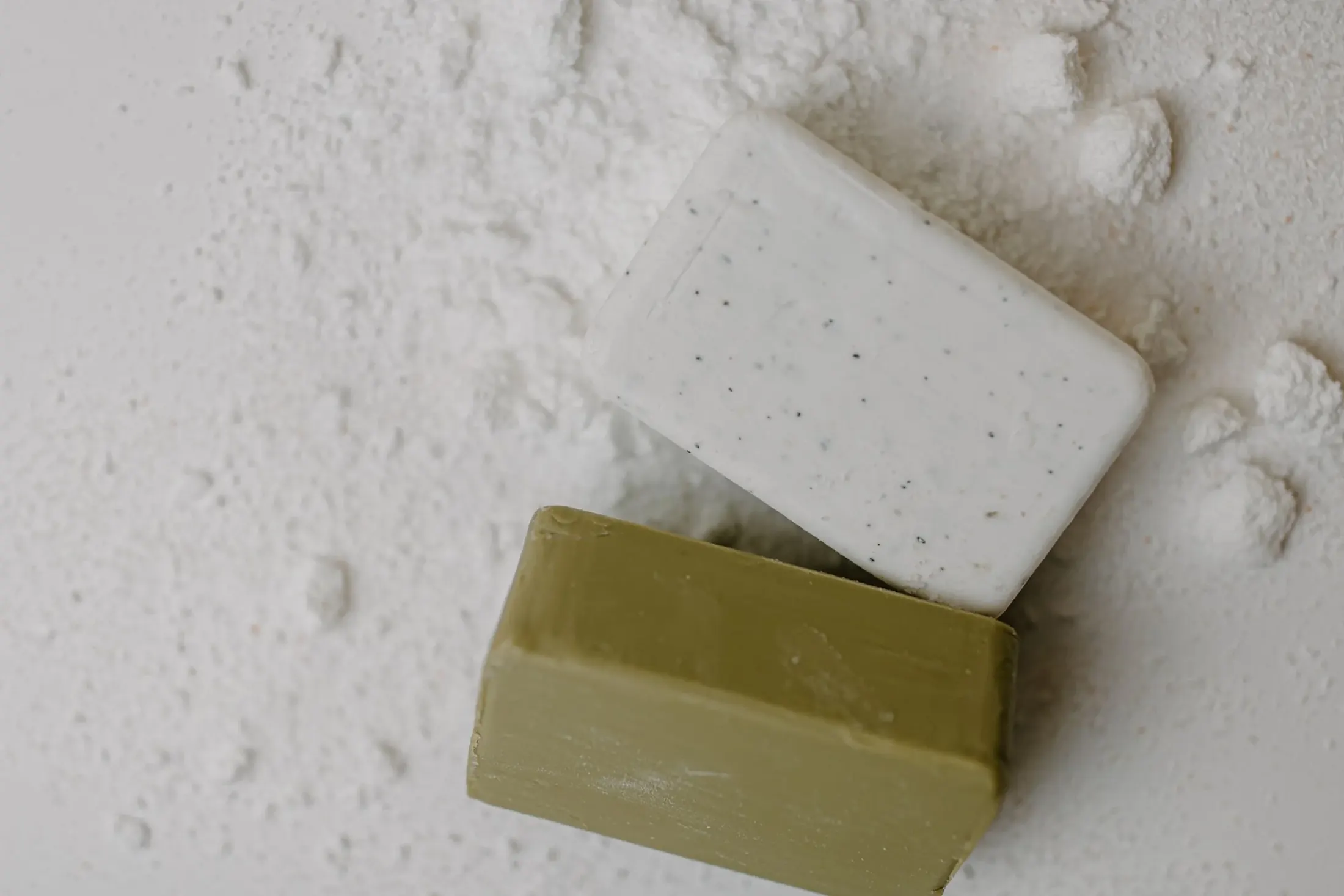
What refining leaves behind has a use.
When coconut oil is refined, its free fatty acids are separated out. We don't waste them: as coconut fatty acid distillate (CFAD) they go to soap, home-care and oleochemical makers as a plant-based alternative to animal fats.

100% sustainably sourced ingredients by 2030
That's the target we've set ourselves. We work towards it with our suppliers, and we'll report progress here.
What we expect, and work towards together.
- Coconut only, never palm-derived material.
- Fair, reliable prices and long-term buying relationships with farmers.
- Support for replanting and better yields as trees age.
- Documents for every lot, and traceability towards the source.
- Responsible use of water and energy, and by-products put to use.
Many of our suppliers already work this way. We're open to comparing their programmes with ours.
Done, in progress, next
Coconut only; every batch documented with its COA; batch codes on every pack; CFAD put to use.
Long-term relationships with farmers and cooperatives; organic certification being re-issued.
Traceability from supplier to farm; supplier principles signed by every supplier; progress reported here each year.
Ask us about our supply chain.
Procurement and sustainability teams often need more than a web page. Tell us what your audit or policy requires, and we'll answer.